

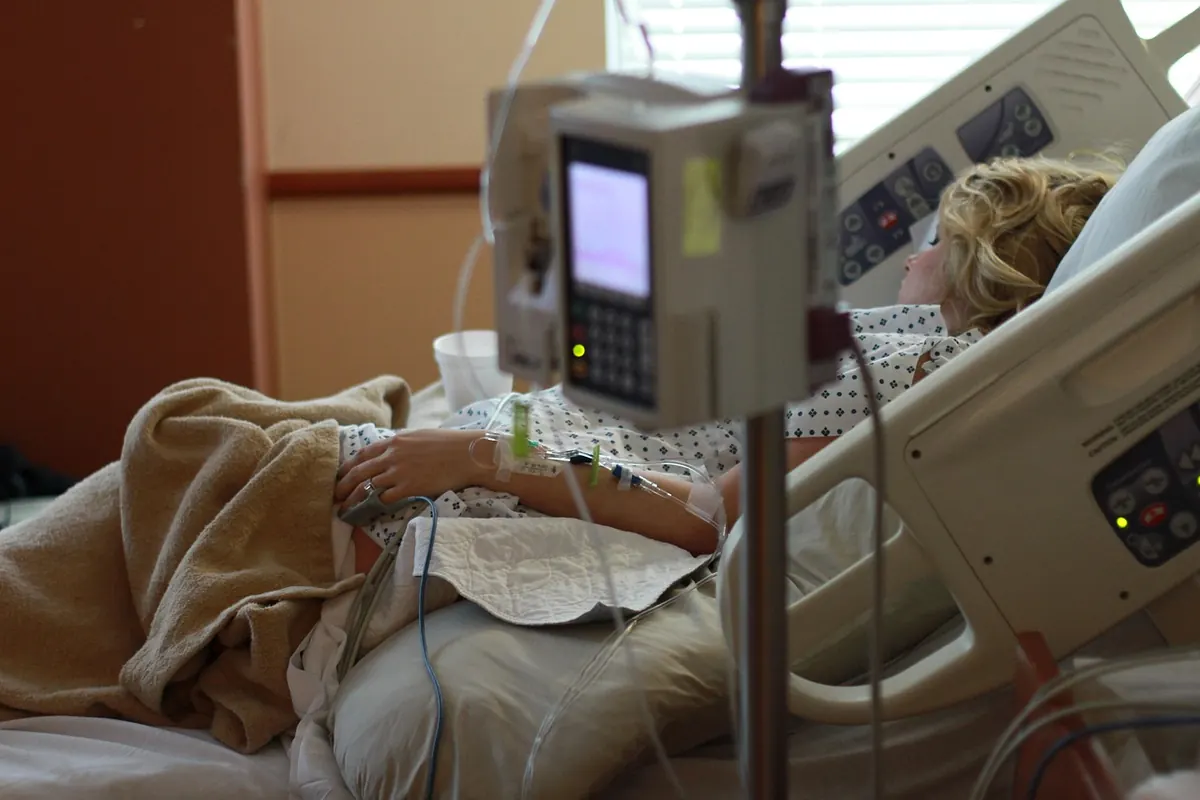
The surgeon shakes your hand, the discharge letter is folded in your bag, and suddenly you are home with a pillow, a packet of painkillers and a list of things you must not do. The first six weeks after spinal surgery can feel strangely vague. You may have been told to "take it easy" without anyone explaining what an easy Tuesday actually looks like.
This checklist breaks that stretch into manageable pieces: what to expect, what to protect, and how to add gentle movement without undoing the surgeon's work. Everyone heals at a different rate, and the type of operation matters — a single-level decompression is not the same as a multi-level fusion. Treat the timings below as a general map rather than a schedule, and let your surgical team's instructions override anything here.
The first 48 hours at home
Most people are surprised by how much of the first two days revolves around logistics: pills, pillows, and the slow business of getting up. Set an alarm for your pain relief rather than waiting for the ache to build. Staying ahead of pain makes movement possible, and movement is what protects your circulation and your lungs.
Keep water, your phone and your medication within reach of wherever you are sitting. Sleep is often broken, which is normal; naps count as sleep. Walk short, flat distances indoors every hour or two, even if it is only to the kitchen and back. Leave the dressing alone and keep the wound dry exactly as your team described — do not peel back a corner to check on progress.
Week 1: wound care, rest and safe movement
By the end of the first week the shock has worn off and boredom sets in. This is when people are most tempted to test their limits. Your job is to be deliberately dull: rest, walk a little, repeat.
The log roll
To get out of bed without twisting, lie on your back and bend the knee on the side you are turning towards. Roll your whole body as one unit onto your side, push up with your upper arm and swing your legs over the edge of the bed together. Practise it while you are still comfortable, not when you are desperate for the bathroom.
- No bending forward to pick things off the floor — use a grabber or ask for help
- No twisting to reach behind you; move your feet instead
- No lifting beyond the limit your surgeon set — follow their figure, not a general rule of thumb
- No driving until you are cleared, and never while taking sedating painkillers
- No baths, hot tubs or swimming until the wound is healed and you have permission
Week 2: small routines return
Wound pain often settles and a new set of sensations takes over: stiffness, odd twinges, and a back that feels unreliable. Nerve pain can fluctuate too. Some people notice it easing quickly; others find it noisy for weeks. Neither pattern automatically means something has gone wrong, but changes are always worth mentioning at your follow-up.
Keep walking, ideally several short walks rather than one long one. Add tasks that involve no lifting or twisting — making tea, folding laundry at waist height, sorting post. Sitting is frequently harder than walking, so break up long spells in a chair every twenty to thirty minutes. If you have been given physiotherapy exercises, do them exactly as prescribed and no more enthusiastically.
Weeks 3 and 4: gentle stamina, not training
This is usually when progress becomes visible. Walks may stretch to fifteen or twenty minutes, twice a day, on flat ground. You will probably feel well enough to attempt more: a supermarket trip, hoovering, carrying a basket of washing. Resist.
Healing tissue is still fragile at this stage, and the classic pattern is a good week followed by a bad one caused by a single overambitious afternoon. Add one new activity at a time and judge it by how the next day feels. If pain or swelling flares after activity, ease off for a day or two rather than stopping everything altogether.
Weeks 5 and 6: easing back towards normal
By the six-week mark many people are moving reasonably comfortably and waiting for a follow-up appointment to confirm how the spine is healing. Depending on your operation, this is often when restrictions are reviewed or lifted, though some — particularly after fusion — stay in place considerably longer.
Keep posture in mind. Sit tall, stand tall, and arrange your chair so your screen sits at eye level. Begin gentle core work only if someone has shown you how: deep abdominal breathing and pelvic tilts rather than planks and sit-ups. Return to driving, work and exercise on your surgeon's timetable, not your neighbour's.
When to ring your team
Recovery is rarely a straight line, but some symptoms should never be waited out:
- Fever, chills or feeling generally unwell
- Increasing redness, heat, swelling or discharge at the wound
- New or worsening weakness or numbness, or difficulty passing urine or opening your bowels
- A severe headache that changes when you sit or stand
- Sudden severe back pain, or pain that no longer responds to your usual medication
- Calf pain, swelling or breathlessness, which need urgent attention
If something feels wrong, ring your surgical team or NHS 111. For urgent symptoms, go to A&E. This is general information, not a substitute for advice from your own surgeon, GP or physiotherapist.
Making the six weeks easier
Set up one comfortable base with everything you need, and a second one for daytime so you are not marooned in the bedroom. Accept offers of help with specific jobs rather than vague ones: "Could you bring milk on Thursday?" works far better than "Let me know if you need anything."
Keep a short daily note of how far you walked, how you slept and how the pain behaved. It is far easier to answer "how are things going?" at a follow-up appointment when you have three weeks of scribbles to look at.
Above all, pace yourself. Recovery from spinal surgery is not a test of willpower, and the people who do best are usually the ones who were patient rather than heroic. Do a little, rest, and let the weeks do their work.
Photo: Parentingupstream / Pixabay